Owning a dog is often described as one of life’s greatest joys. Dogs provide companionship, loyalty, emotional support, and endless entertainment. However, while most people budget for obvious expenses such as food, basic vet visits, and grooming, many underestimate the true cost of dog ownership. Beyond the initial adoption or purchase fee, there are numerous hidden expenses that can add up over a dog’s lifetime.
Understanding these hidden costs ahead of time can help future dog owners make informed, responsible decisions and avoid financial stress later on.
Veterinary Care Beyond Routine Checkups
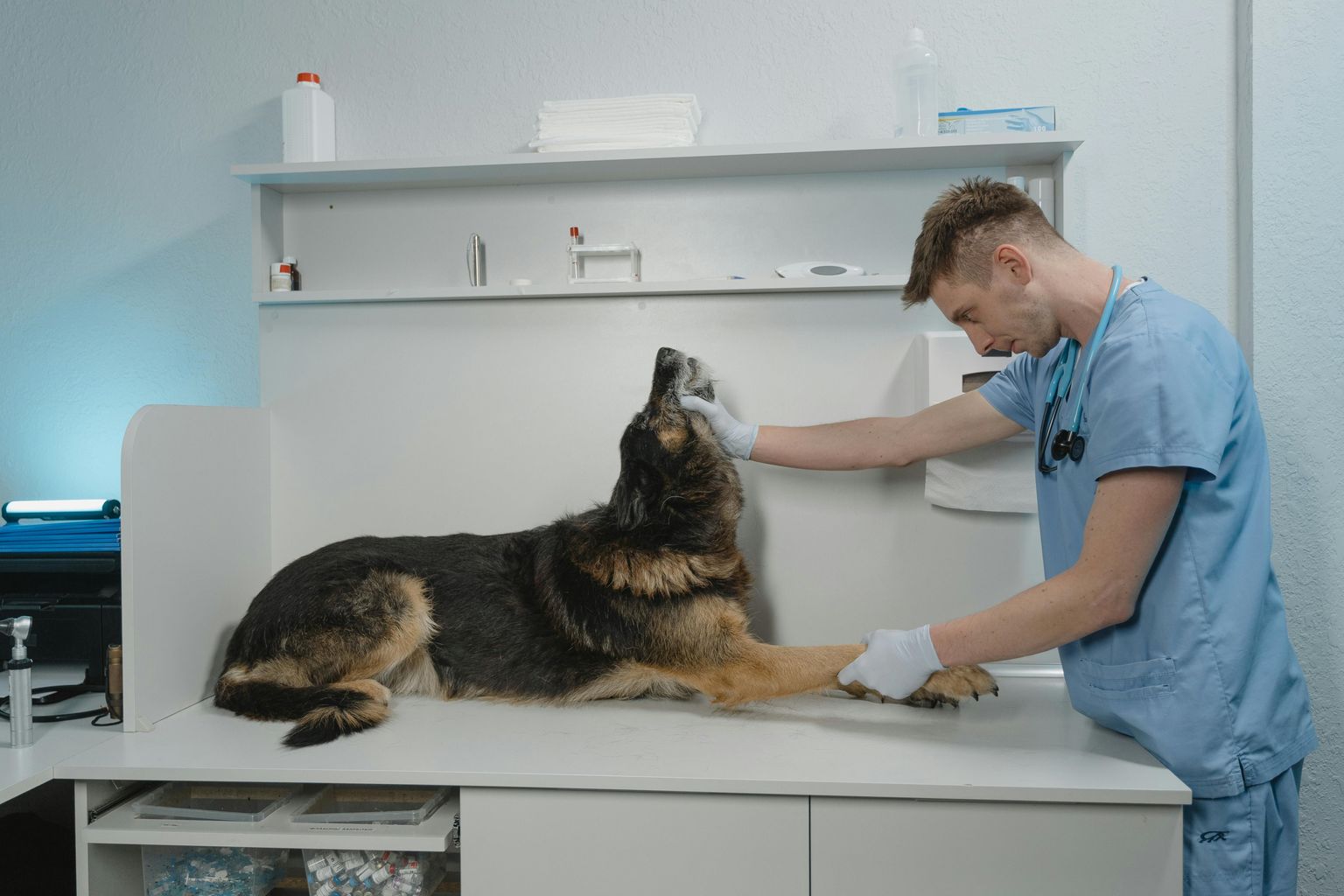
Most owners expect to pay for annual vaccinations and wellness exams, but veterinary costs can go far beyond that. Dogs can develop illnesses, allergies, chronic conditions, or injuries at any stage of life.
- Unexpected expenses may include:
- Emergency vet visits
- Diagnostic tests such as X-rays, ultrasounds, or bloodwork
- Prescription medications
- Ongoing treatment for conditions like arthritis, diabetes, or skin disorders
Emergency care, in particular, can be very expensive and often comes without warning. A single emergency visit can cost hundreds or even thousands of dollars, especially if surgery or overnight hospitalization is required.
Pet Insurance and Preventative Care
Pet insurance is becoming increasingly popular, but it represents an ongoing monthly expense many people do not factor into their budget. While insurance can reduce the cost of major medical issues, premiums, deductibles, and uncovered services still add up over time.
Additionally, preventative care costs are often overlooked. These include:
- Flea, tick, and heartworm prevention
- Dental cleanings
- Spay or neuter procedures
- Routine bloodwork as dogs age
Preventative care is essential for a dog’s long-term health, but it can significantly increase annual expenses.
Training and Behavioral Support
Many new dog owners assume training will come naturally, but professional training is often necessary—especially for puppies or rescue dogs with behavioral challenges.
- Training-related costs may include:
- Puppy obedience classes
- Private training sessions
- Behavioral consultations
- Specialized training for anxiety, reactivity, or aggression
If behavioral issues go unaddressed, they can lead to property damage, safety concerns, or even rehoming costs. Investing in training early can prevent larger expenses later, but it is still a hidden cost many owners don’t anticipate.
Damage to Home and Belongings
Dogs, particularly young or anxious ones, can cause damage to furniture, flooring, doors, and personal belongings. Chewed shoes, scratched floors, torn carpets, and damaged walls are common issues, especially during the puppy stage.
Replacing or repairing household items can be expensive, and these costs are rarely included in the initial decision to get a dog. Even well-trained dogs may occasionally cause damage due to boredom, stress, or age-related issues.
Grooming and Coat Maintenance
Some dogs require professional grooming every few weeks, while others need specialized tools and products at home. Grooming costs vary widely depending on breed, coat type, and size.
- Hidden grooming expenses include:
- Professional grooming appointments
- Specialty shampoos or conditioners
- Brushes, clippers, and nail grinders
- Treatments for skin or coat issues
Neglecting grooming can lead to health problems such as matting, skin infections, or ear issues, making this an essential—but often underestimated—expense.
Travel and Boarding Costs
Owning a dog can significantly affect travel plans. When owners travel, they must arrange care for their dog, which often comes at a cost.
Common travel-related expenses include:
- Boarding kennels
- Pet sitters or dog walkers
- Doggy daycare
- Pet-friendly accommodations (which often charge extra fees)
Even short trips can become expensive if professional care is needed. Over time, these costs can rival or exceed the price of the vacation itself.
Time as a Financial Cost
Time is an often-overlooked expense of dog ownership. Dogs require daily walks, exercise, training, feeding, and attention. For busy individuals, this time commitment may translate into financial costs such as hiring dog walkers, trainers, or daycare services.
Missed work hours, limited job flexibility, or the need to live closer to home can also indirectly affect income and career choices.
Special Equipment and Supplies
Beyond basic items like bowls and leashes, dogs often need additional equipment throughout their lives. These expenses tend to accumulate gradually, making them easy to overlook.
Examples include:
- Crates and bedding replacements
- Winter coats or booties for cold climates
- Harnesses for training or medical needs
- Orthopedic beds for senior dogs
- Ramps or mobility aids later in life
As dogs age, these costs often increase rather than decrease.
End-of-Life Care
One of the most emotionally difficult and financially challenging aspects of dog ownership is end-of-life care. Senior dogs may require frequent vet visits, medications, special diets, and supportive therapies.
Additionally, owners may face costs related to:
- Palliative care
- Hospice services
- Euthanasia
- Aftercare or memorial services
While no one likes to think about this stage, it is an important financial and emotional reality of responsible dog ownership.
Inflation and Rising Pet Care Costs
Pet care costs have risen significantly in recent years due to advances in veterinary medicine, increased demand for services, and general inflation. Food, supplies, grooming, and medical care are all becoming more expensive over time.
A dog’s lifetime cost can easily reach tens of thousands of dollars, especially for larger breeds or dogs with medical needs. Planning for rising costs is essential for long-term affordability.
Conclusion
Dogs bring immense joy, companionship, and emotional benefits into our lives, but they also come with responsibilities that extend far beyond food and basic vet visits. The hidden costs of dog ownership—medical emergencies, training, grooming, travel care, home damage, and time commitments—can quickly add up if unprepared.
Being aware of these expenses does not mean dog ownership isn’t worth it. Instead, it allows potential owners to plan responsibly, budget realistically, and provide their dog with the best possible care throughout its life.
A well-informed owner is better equipped to handle challenges, reduce stress, and ensure that their dog enjoys a happy, healthy, and secure life.